The maritime industry is undergoing a significant transformation as uncrewed surface vessels (USVs) transition from experimental prototypes to essential operational tools. These platforms are increasingly being adopted for roles that are traditionally "dull, dirty, or dangerous," allowing personnel to be redirected toward higher-level decision-making while autonomous systems handle the persistence and repetition of maritime monitoring.
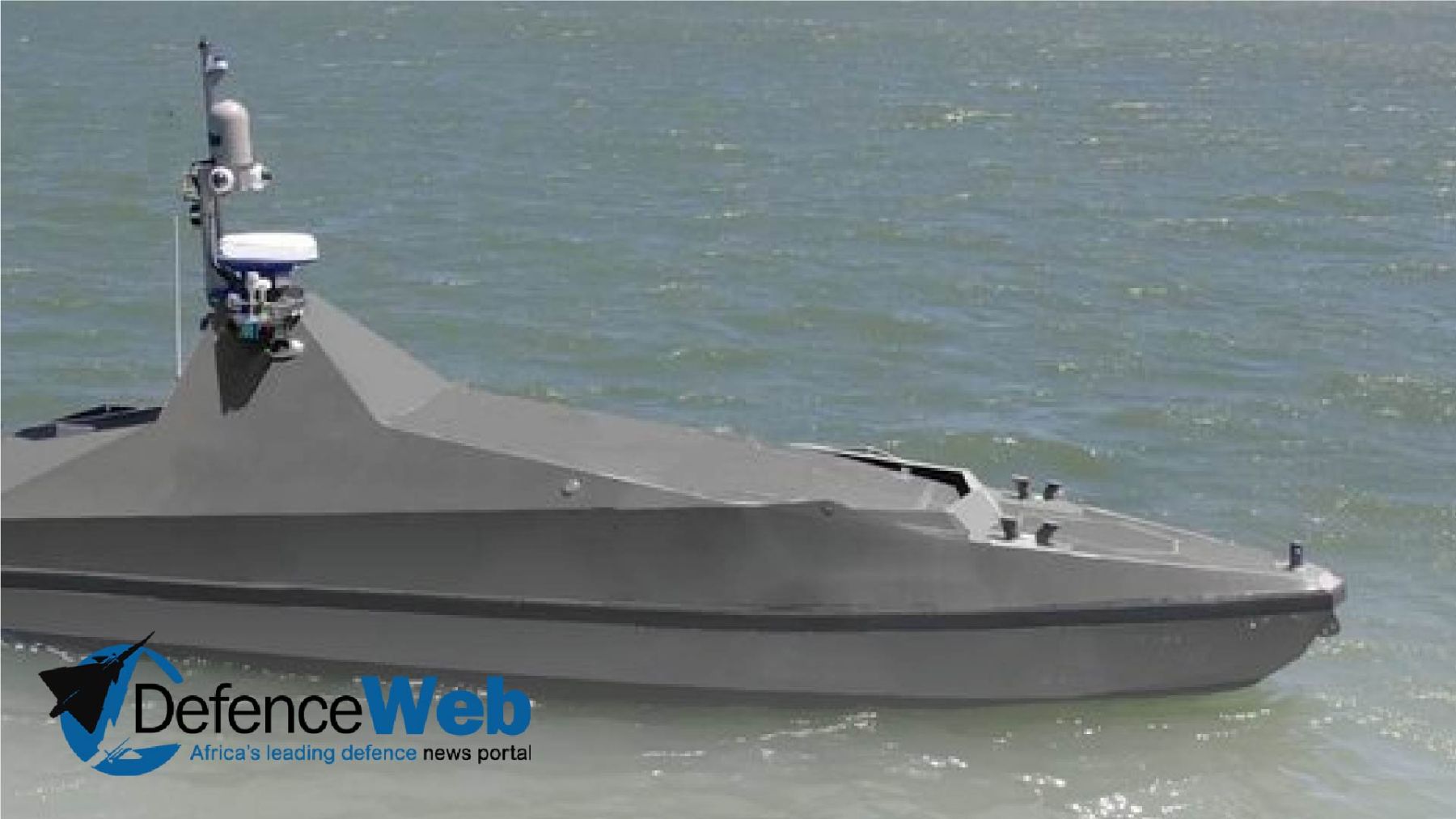
At ZeroUSV, we see this shift as a validation of our focus on long-endurance, autonomous navigation. The ability of USVs to operate for extended periods without a human crew onboard offers a distinct advantage in maritime security and border protection. By deploying assets like the Oceanus series, operators can maintain a continuous presence in remote or contested waters, providing a level of situational awareness that would be logistically and financially prohibitive using manned fleets alone.
The wider sector is now moving beyond simple remote control toward true autonomy, where vessels can interpret their surroundings and make real-time adjustments to remain compliant with COLREGs and mission parameters. This evolution in marine technology is not just about removing the person from the boat; it is about enhancing the reach and efficiency of naval and commercial operations through integrated, intelligent systems that can scale to meet modern security challenges.
This article is based on reporting originally published by defenceWeb. The original article can be read in full here.


