Oceanographic research and environmental monitoring depend on the ability to collect high-quality, long-duration data across dynamic and challenging marine environments. Researchers and agencies require platforms that can persist, support diverse sensor payloads, and deliver dependable data while reducing reliance on crewed vessels and operational overhead.
ZeroUSV supports oceanographic research programmes with uncrewed surface vessels designed to provide persistent, flexible, and reliable autonomous data collection for scientific and environmental missions.
Challenges in oceanographic research and environmental monitoring
Persistent data collection
Oceanographic programmes often require long-duration deployments to capture temporal changes in temperature, salinity, currents, and other dynamic phenomena.
Sensor diversity and flexibility
Scientific missions routinely demand a variety of sensor payloads — from CTD and SVP probes to environmental and biological sensors — integrated and harmonised on a single platform.
Operational risk and cost
Crewed vessel operations are costly, logistically complex, and present increased risk to personnel, particularly in remote or adverse environments.
Environmental variability
Rapid changes in sea state, weather, and water column conditions require platforms capable of adapting operations while maintaining data quality.
Supporting long-duration autonomous research operations
ZeroUSV supports oceanographic research by providing autonomous surface vessels engineered for persistent, repeatable data acquisition across a range of marine environments.
Our platforms are designed to integrate with a wide range of scientific payloads, enabling researchers to collect environmental, hydrographic, and oceanographic data over extended missions. With autonomy built into both navigation and payload management, ZeroUSV reduces the operational overhead of crewed deployment and enables scientists to focus on data interpretation rather than platform logistics.
By prioritising platform stability, sensor integration, and mission flexibility, ZeroUSV systems help research programmes achieve richer datasets while operating more efficiently and safely.
Platform features that matter for oceanographic research
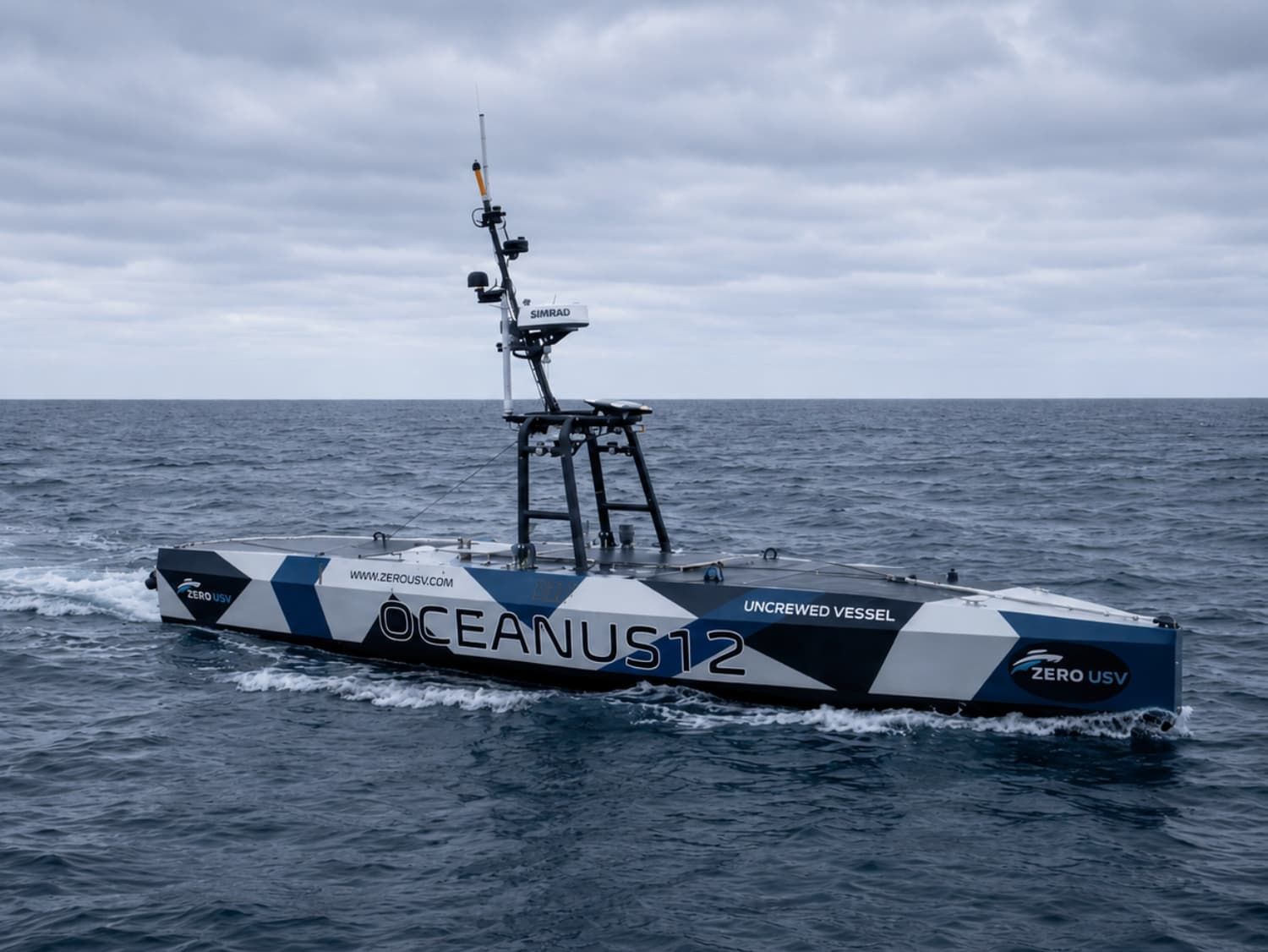
Uncrewed surface vessel platforms for oceanographic research
ZeroUSV operates a suite of uncrewed surface vessel platforms suitable for oceanographic research missions, configurable to support diverse payloads and operational profiles.
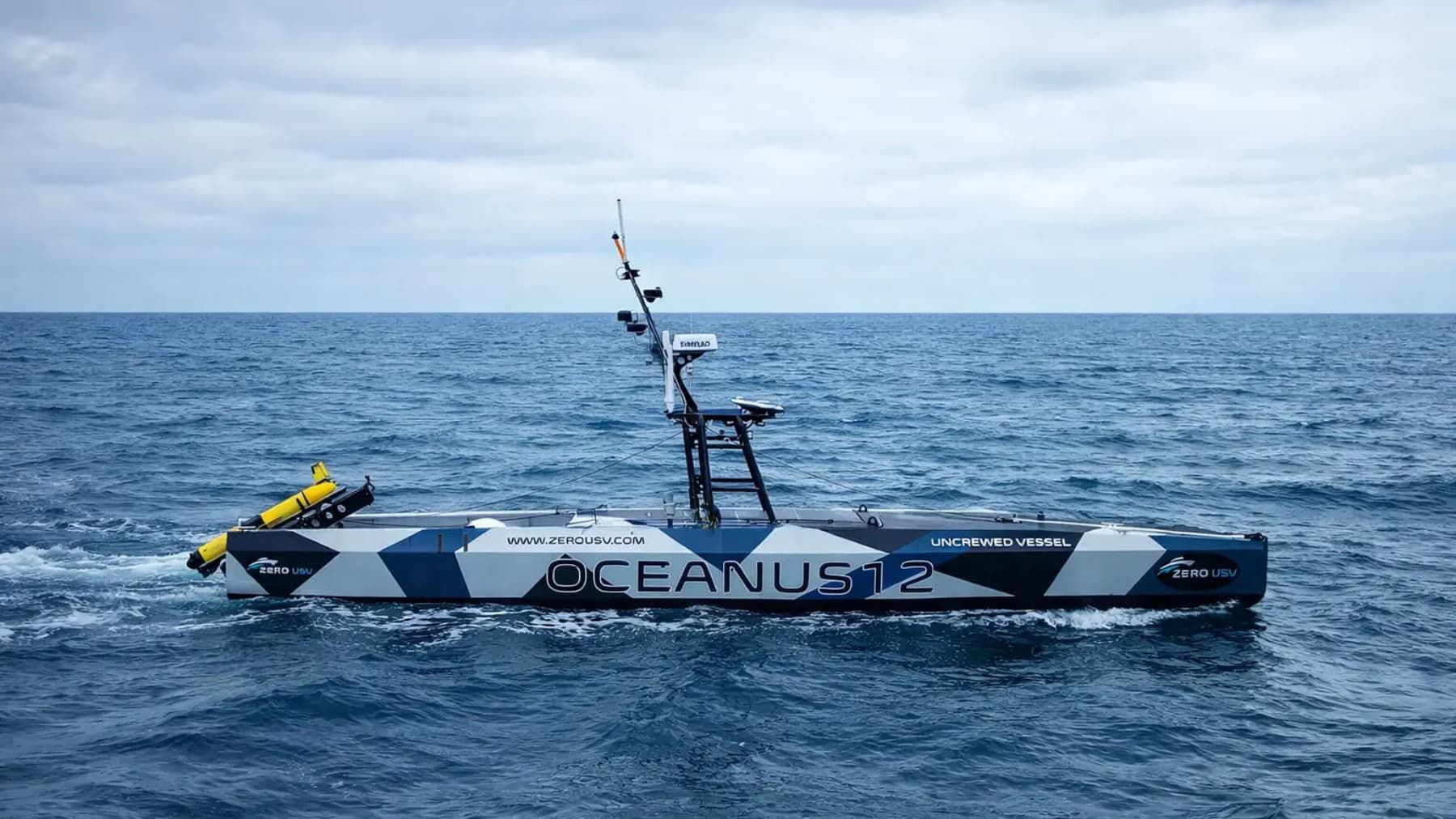
Configured for scientific data collection missions, supporting multiple research sensors and probe deployment capabilities.
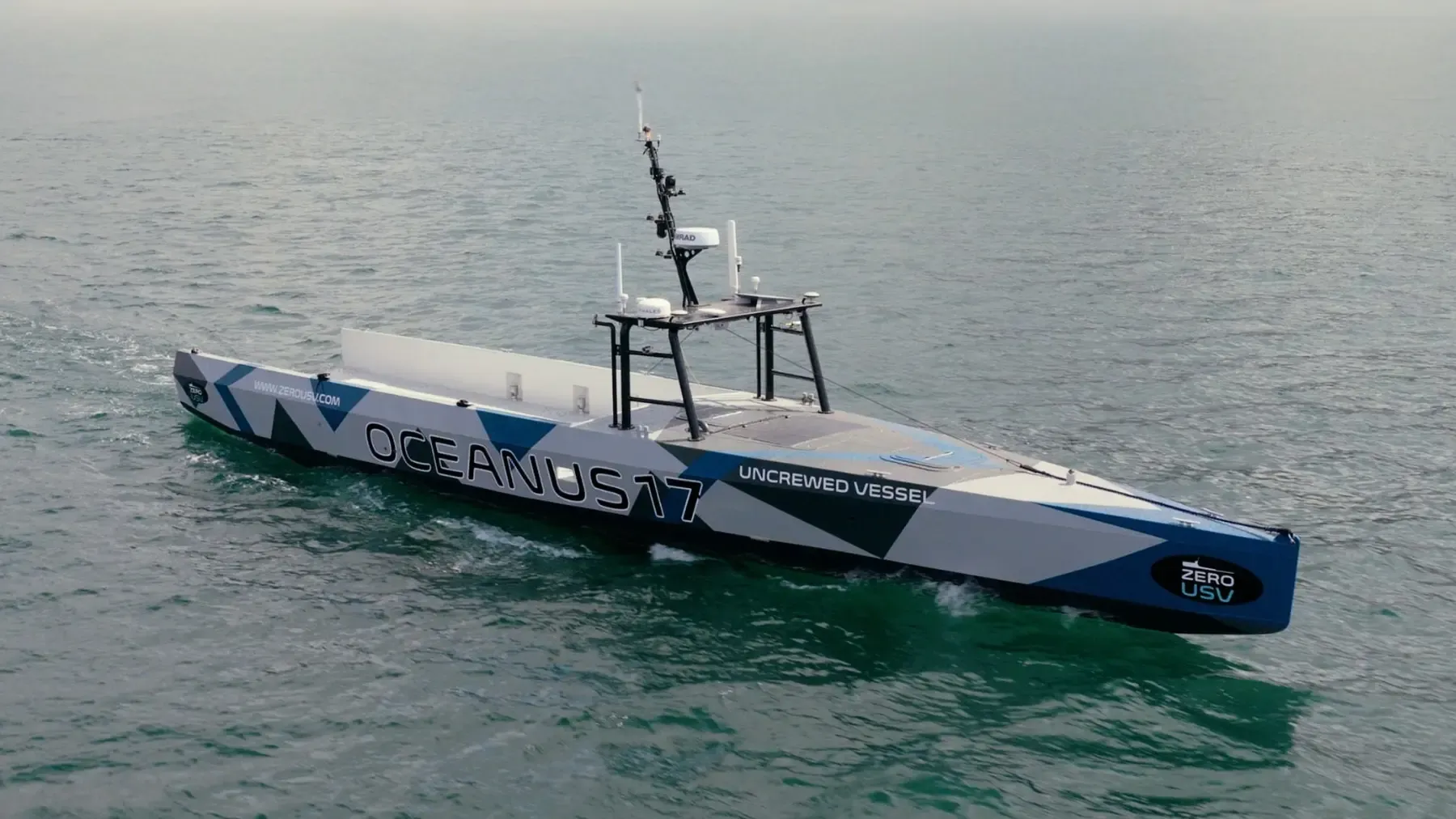
Larger platform with increased endurance and deck space to support extended research missions and advanced payloads.